

WELL, WELL, WELL
The Science Behind the Philosophy at The Hydro
Read All About It
At The Hydro we endevour to stay up-to-date with all the contemporary thinking behind what influences global health trends.
Read our articles to discover more about the science behind our therapies, treatments, nutrition practices and wellness philosophies. Where we strive to provide our guests with a long life of health and vitality.
TAGS
Tags
RECENT POSTS
21/10/2025
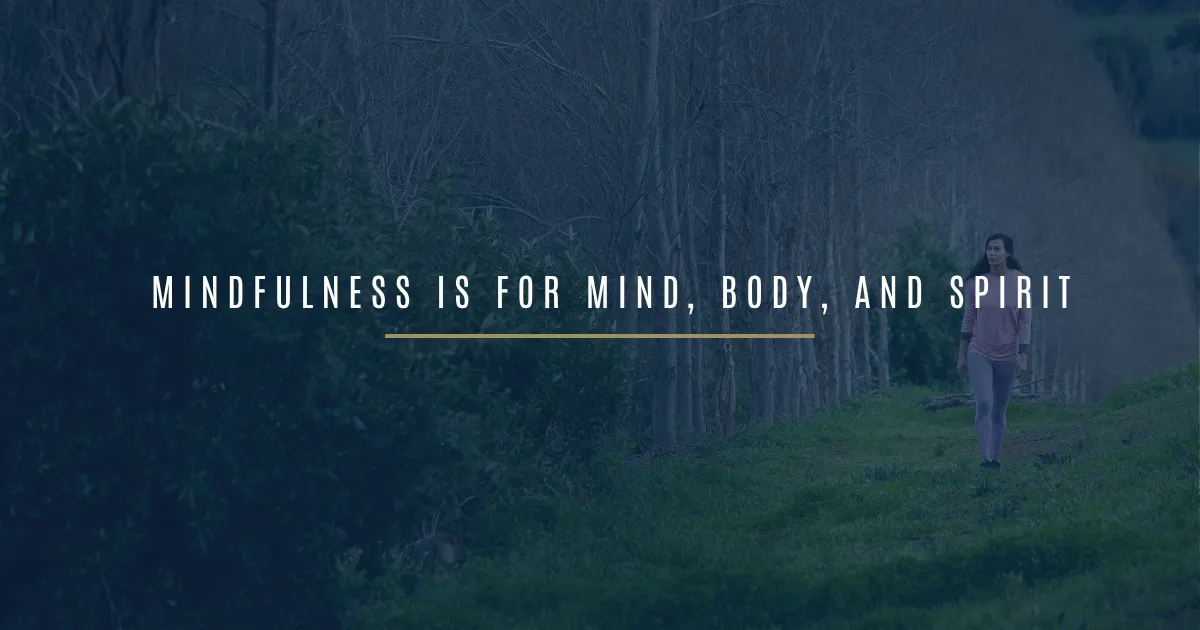
Applying Hydro Philosophies of Mindfulness: Sustainable Daily Practices
It is human nature to experience stress, burnout, anxiety, and feelings of uncertainty as we navigate increasingly busy and complex lives. However, we have long recognised the essential need to shift and refocus on what is truly important: enjoying each day rather than merely surviving it. A common practice to achieve a well-balanced and fruitful life is mindfulness. This is more than just meditation or being present; it is a continuous awareness of how we think, feel, and function within our daily activities of eating, walking, breathing, listening, and doing.
The goal of practising mindfulness is to engage fully with the world around you, experience what is happening in the moment, and feel more fulfilled and grounded throughout the day. Research shows that this simple act may help to reduce stress, anxiety, depression, insomnia, and high blood pressure, and may help prevent pain or chronic illness by recognising abnormalities before they become a serious concern [cite: Clinic, 2022].
The Hydro’s Use of Mindfulness Throughout the Years
The Hydro, originally known as the High Rustenburg Hydro, was founded in 1972. It was based on the Nature Cure philosophy, emphasising that our bodies have the natural ability to heal and cure themselves if given the proper chance. Founder Cleto Saporetti converted to a healthy lifestyle after a near-death experience, inspired by Alvise Cornaro’s The Sure and Certain Method of Attaining a Long and Healthful Life. Cornaro suggested that one could achieve health and prevent chronic illness by following regular fasting and calorie-restrictive diets, regular physical exercise, and implementing stress-coping strategies.
The seven foundational pillars of The Hydro, upon which to build health, were a good diet, water, sunshine, exercise, rest, fresh air, and good mental health. A stay of between 10 to 14 days was recommended for maximum cleansing and detoxification benefits. These pillars and practices are still followed throughout The Hydro today as part of mindful living, encouraging one to step out of the day-to-day and, in the words of Cleto, “do a house inspection and spring clean of oneself” [cite: Mitton, 2013].
Ways of Implementing Mindfulness for Mind, Body, and Spirit
Our modern lifestyles often make it hard to shift gears and step out of daily demands. However, it is vitally important to prioritise one’s health to live full, healthy, and balanced lives [cite: Health, 2021]. Start small and simple:
● Stick to Healthy Routines: While constant repetition may seem mundane or even boring, organising one’s day helps to avoid burnout. Prioritise non-work time and set clear boundaries.
● Focus on Your Breath: Studies show that there are many benefits to simple breathing techniques [cite: Lorelei Tucker, 2023].
○ Helps to slow the heart rate.
○ Keeps you calm and relaxed in stressful situations.
○ Lowers blood pressure.
○ Increases oxygen flow to the brain.
● Perform a Body Scan Before Exercising: Staying active is a key component in keeping both physically and mentally healthy. The simple act of being mindful of where your body is can be highly beneficial:
○ Identify energy levels, possible stiffness, pain, and mobility.
○ Adapt the type and level of activity depending on how your body feels.
○ Be proactive and go for regular checkups or seek professional help when you have a concern.
○ Fitness strengthens our heart, arteries, and muscles, but if done incorrectly or when ill, it may cause potential harm and injury.
● Observe Your Feelings, Emotions, and Mental State: Being aware of your mental health is just as important as knowing how your body feels physically:
○ Separate emotions tied to specific situations from overall daily experiences.
○ Respond thoughtfully rather than reacting impulsively.
○Being aware of emotional patterns helps you respond with clarity and not feel overwhelmed.
○ Mindfulness can help build resilience and keep you grounded.
● Use Daily Tasks to Stay Grounded: Often, our small, regular activities help us the most to stay present and mindful:
○ Walking, getting fresh air, and enjoying nature.
○ Listening to music.
○ Cleaning your space to feel decluttered.
○ Preparing good food.
● Nutrition is Important for Staying Healthy: This often becomes a daunting task, and we turn to convenience rather than enjoying the process and ensuring that we are fuelling our bodies correctly. While cooking itself is an act of slowing down and being mindful, our lives are busy. It helps to be proactive, plan, and prepare on slower days, such as a Saturday or Sunday. Focus on:
○ Foods high in mono- and polyunsaturated fats, which contain Omega-3 fatty acids, to cleanse the arteries, maintain balanced cholesterol levels, and strengthen the blood vessels. These include avocado, olive oil, nuts, and seeds.
○ Lean and plant-based proteins support and strengthen muscles and maintain pH balance. These include probiotic-rich dairy products such as yoghurt and fermented cheeses, as well as eggs, chicken, and fish.
○ Raw fruits and vegetables supply the necessary vitamins, minerals, and fibre for normal bodily processes. Fibre not only cleanses the gut but also reduces blood pressure and aids in heart and brain health.
○ Engage your senses, be present with loved ones, and savour the time spent eating.
● Relationships Nourish Our Souls: Being in community helps us to feel loved and encouraged. Like-minded groups, religious organisations, and even professional counselling help to declutter the mind and refocus:
○ Offer a sense of belonging and emotional support.
○ Share joy in celebratory times.
○ Provide accountability and growth through constructive feedback and support.
○ Create a greater sense of purpose to live a more fulfilling life.
Concluding Thoughts
Mindfulness doesn’t eliminate life’s challenges, but it provides the tools to face them with more calm, clarity, and compassion. Being mindful helps to reduce stress and avoid possible chronic illness, improves cardiovascular health, aids in better sleep, encourages healthier habits, and promotes balance in the body, mind, and spirit. It is not a cure-all solution but a powerful practice to support both physical and emotional resilience for a healthier and more fulfilling life.
References: